

October 4, 2026
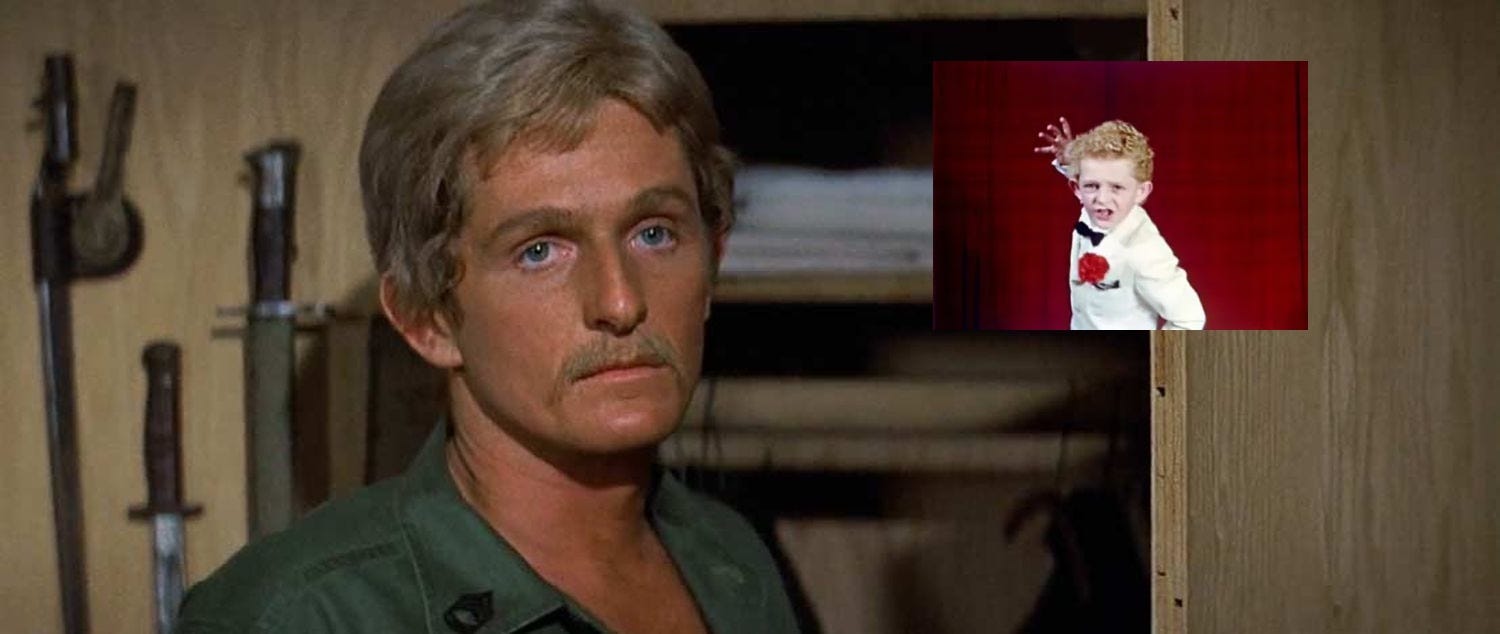
Marjoe Gortner, the actor whose childhood as a fire-and-brimstone evangelist was explored in the Oscar-winning documentary Marjoe, died October 2 in Santa Fe, New Mexico, of congestive heart failure.
His wife Susan said of his legacy:
“Marjoe lived an extraordinary life, shaped by his imagination and rare gift for bringing people together.”
Gortner was born January 14, 1944, in Long Beach, California. By age 4, his communication skills said to be remarkable, they had him ordained as a minister. It was all about using him as a hook for the suckers’ bucks.
He spent his youth traveling the country preaching at old-fashioned revival meetings, where the novelty of his youth made him famous in the South.
By age 16, his dad left with a reported $3 million bilked from their flock, leaving Marjoe to continue plying the trade for survival.
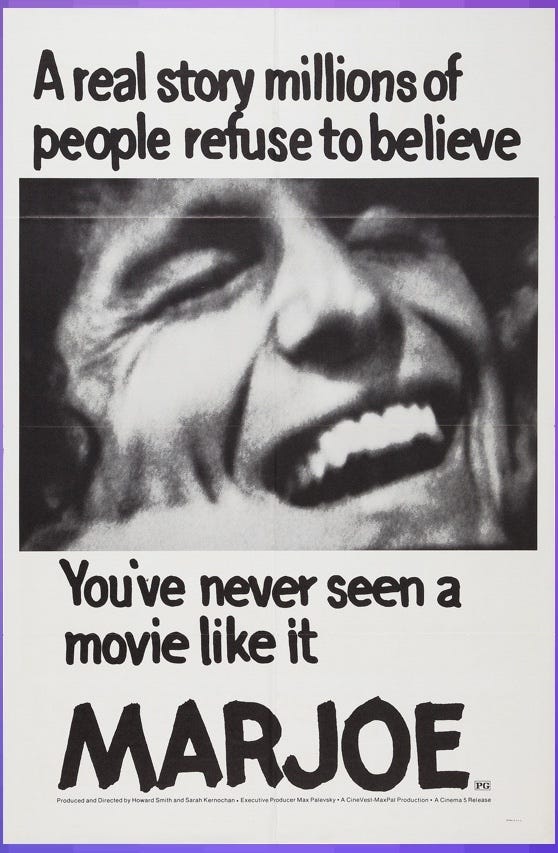
In 1971, he decided to allow filmmakers Howard Smith and Sarah Kernochan to document his last appearances as a preacher. The resulting film exposed the fraud of the phenomenon and positioned him for Hollywood stardom when it secured and Academy Award as Best Documentary.
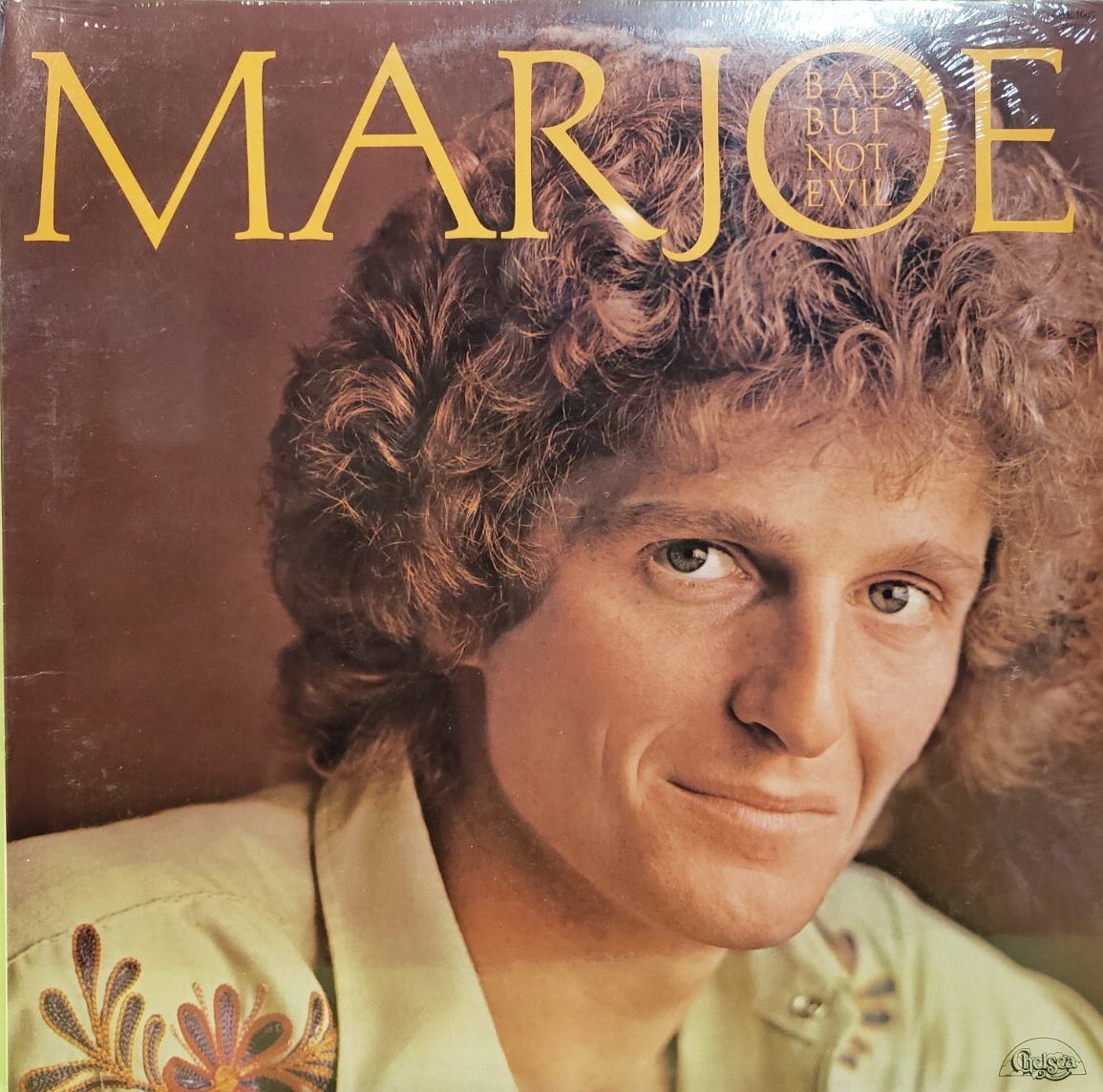
He cut a record — Bad but Not Evil — and embarked on a varied Hollywood career that began with an appearance in The Marcus-Nelson Murders, the 1973 TV movie that served as the pilot of Kojak.
In short order, he appeared in the TV movies Pray for the Wildcats and The Gun and the Pulpit and on the series Barnaby Jones, Medical Center and Nakia — all in 1974.
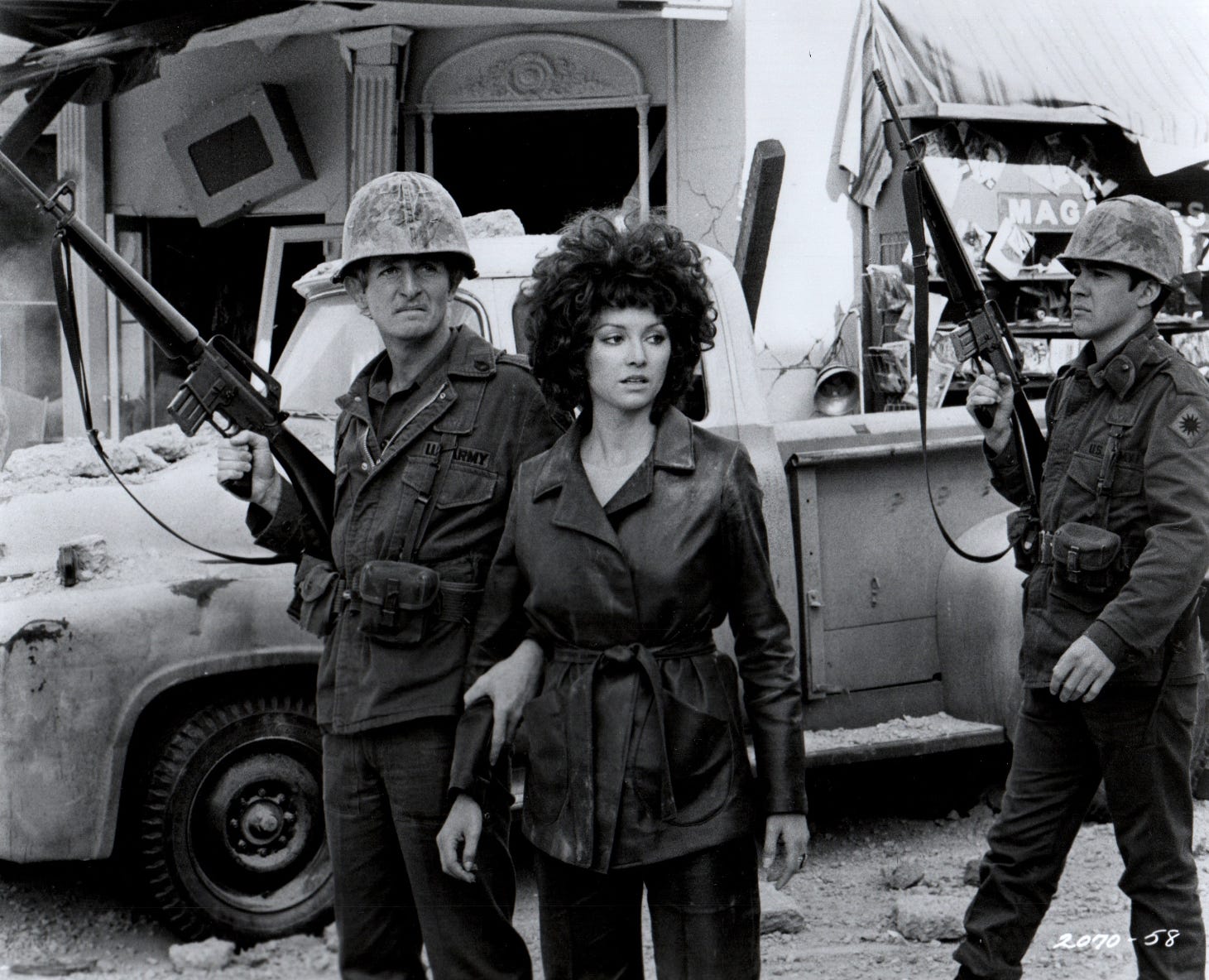
That same year, he tackled what would become his most famous role, as psychotic National Guardsman Jody Joad, a latent homosexual who exploits a devastating earthquake to polish off all of his bullies. Earthquake became one of the biggest hits of the year, making more than 10 times its budget in the U.S. alone.
Along with more guest spots, he co-starred with Lynda Carter in Bobbie Jo and the Outlaw and in the drug-smuggling actioner Acapulco Gold (both 1976).
The quality of the films he was getting sank fairly steadily, including the outrageous giant-animal horror cult flick with The Food of the Gods (1976) opposite Ida Lupino, who seemed as surprised as Gortner did to be in it.
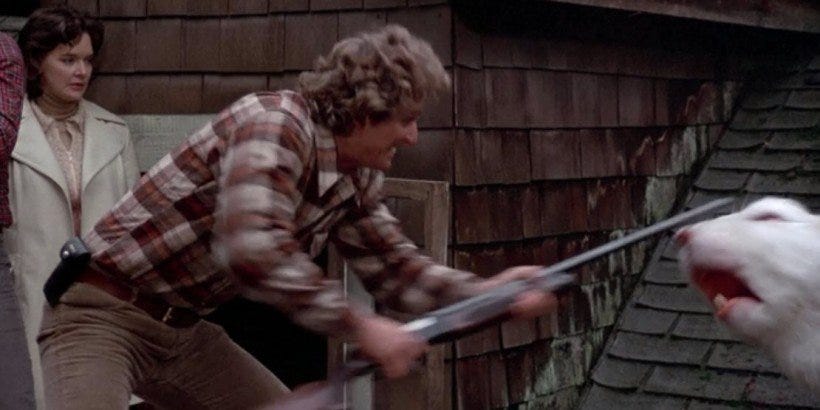
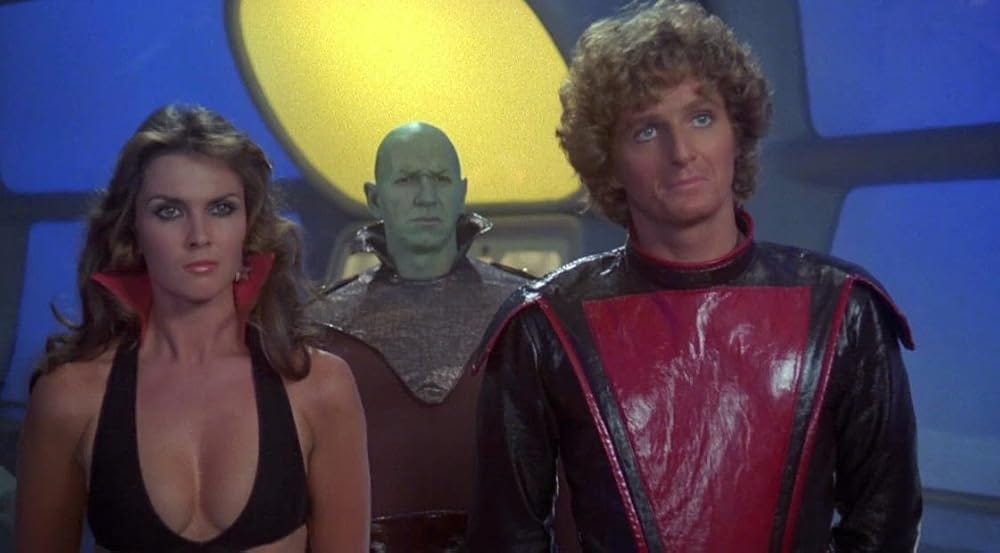
This was followed rapidly by the made-for-TV airplane-in-distress film Mayday at 40,000 Feet (1976), the biopic Viva Knievel! (1977) and Starcrash (1978), an unfortunate and under-budgeted Star Wars copycat.
He had one more moment of glory in which he showed off what he could do, in When You Comin’ Back, Red Ryder? (1979). Directed by Butterflies Are Free (1972) filmmaker Milton Katselas, the film co-starred Candy Clark, one of Gortner’s five wives, as well as Lee Grant, Anne Ramsey, Audra Lindley, Peter Firth and Hal Linden.
After that, it was back to fare like Mausoleum (1983), though he managed to appear on a number of famous TV shows, among them Fantasy Island (1981 & 1983), The A-Team (1983), T.J. Hooker (1983 & 1985), Matt Houston (1984) and Airwolf (1985).
Across 17 episodes of Falcon Crest (1986-1987), Gortner played sleazy huckster Vince Karlotti, drawing on his past experience in hoodwinking the gullible.
His acting career cooled considerably, with just five more low-budget movie credits and no TV work at all.
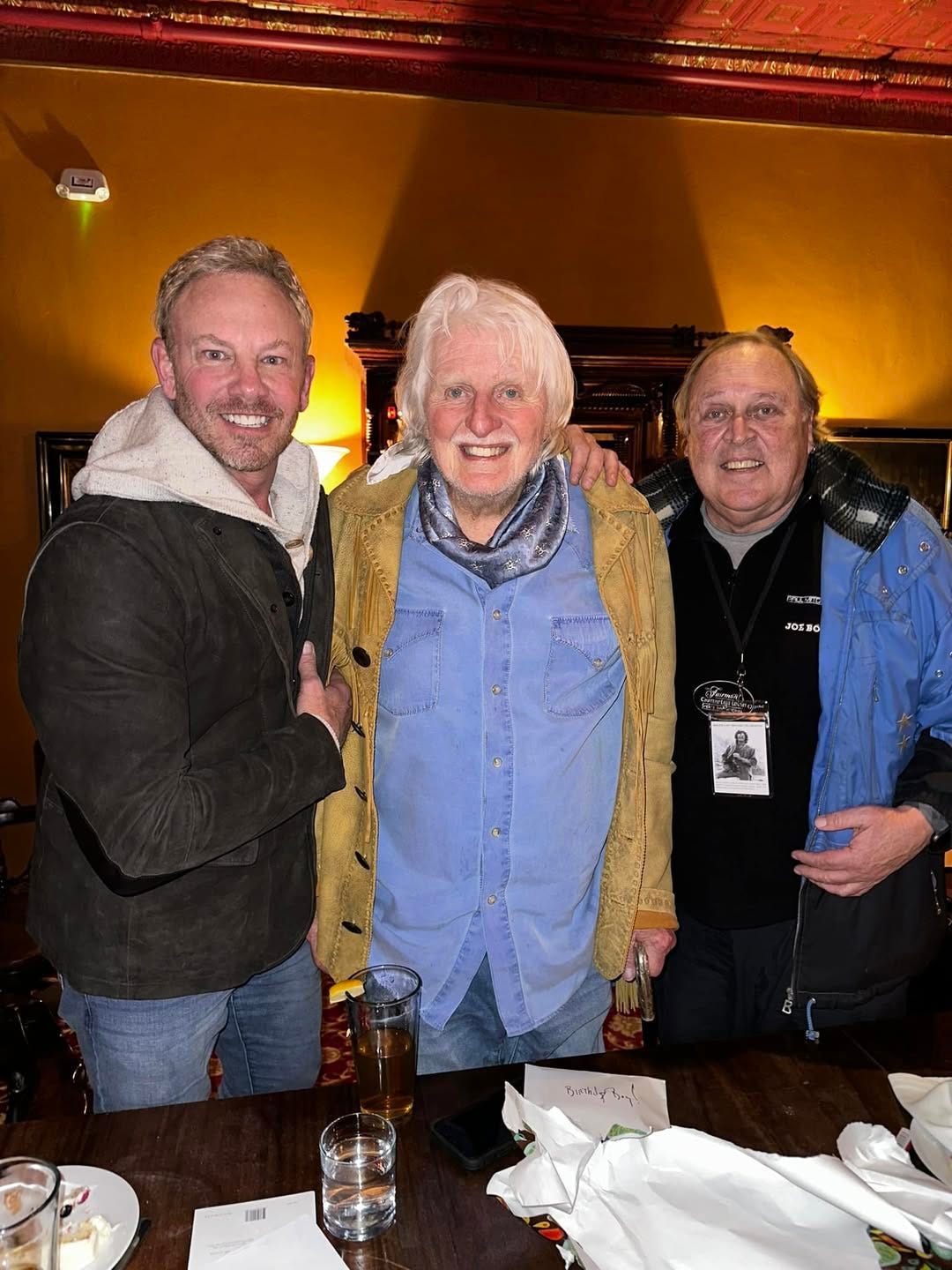
Gortner became active in charitable endeavors, which his how he was remembered by his friend Ian Ziering, who said:
“Marjoe Gortner was a force of nature. He became an evangelist in his teens, an actor in his young adulthood. His life story won an Oscar. I knew him because he produced the Marjoe Gortner celebrity sports invitationals that aired on CBS Saturdays for years. He brought celebrities all over the world to raise money for different charities… This man raised millions and millions of dollars for different charities while providing some of the most incredible celebrity experiences of my lifetime. I will never forget this man, and I will always be appreciative of not just what he did for me, but what he did for everyone who knew him.”
He is survived by his fifth wife, to whom he’d been wed since 2019.⚡️